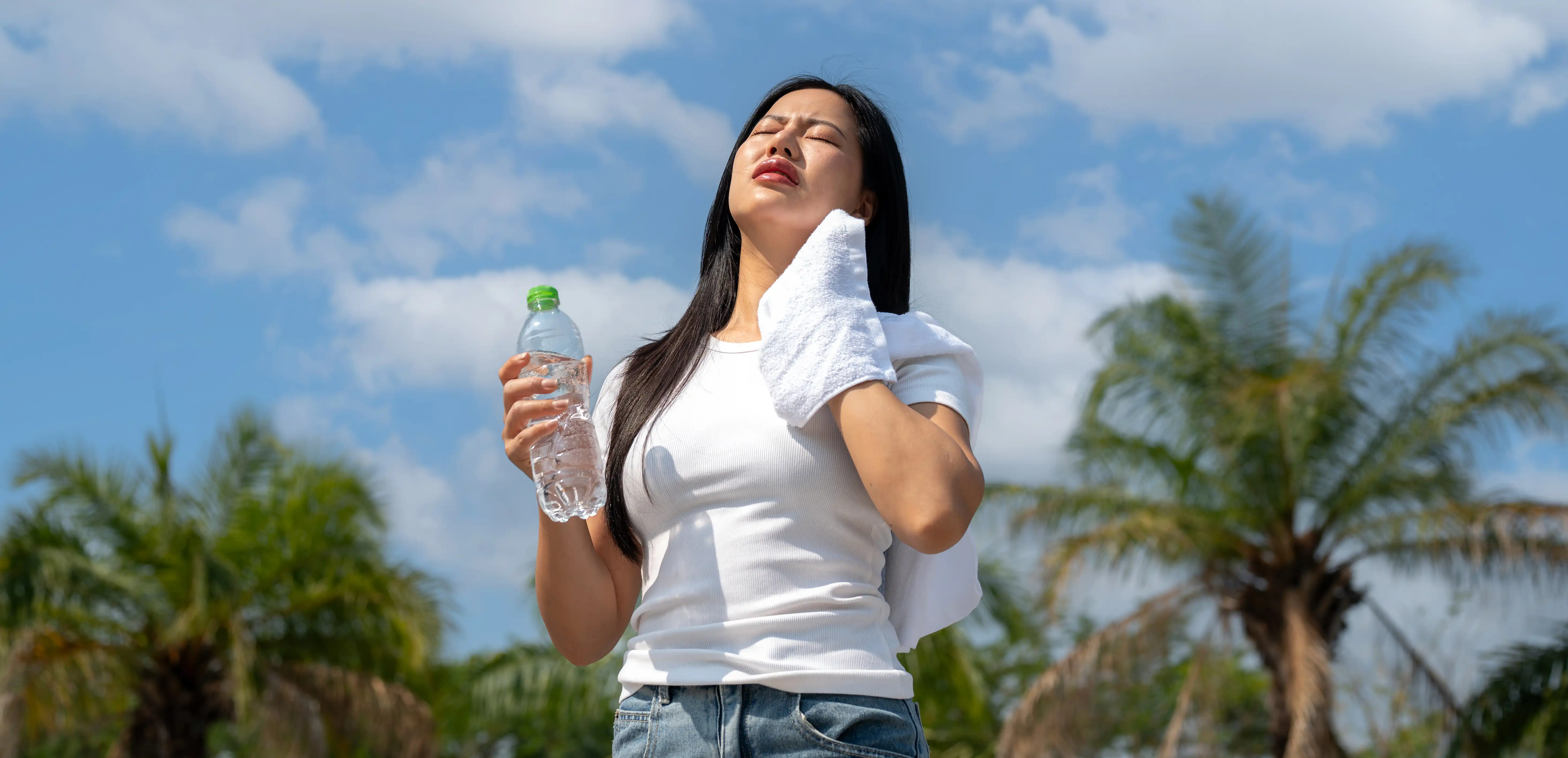
Every summer, Dubai transforms into one of the hottest cities on earth. Temperatures regularly exceed 45°C, humidity clings to every breath, and the risk of heat-related illness rises sharply, particularly for outdoor workers, children, the elderly, and anyone exercising outside.
In 2026, Dubai's summer is forecast to be one of the hottest on record. And while the city's air-conditioned infrastructure provides welcome relief, the transition between extreme heat outdoors and cooled environments indoors combined with the demands of daily life creates a perfect storm for heat-related medical emergencies.
At Fakeeh University Hospital Dubai, our emergency and preventive medicine teams treat heat stroke, heat exhaustion, and severe dehydration cases every summer. And the most important thing our specialists want every resident and visitor to know is this:
Heat stroke is a medical emergency. Heat exhaustion is a warning. And both are almost entirely preventable.
This comprehensive guide covers everything you need to know to keep yourself and your family safe during Dubai's summer 2026.
Understanding the differences between these three conditions is the first step to recognising them and responding appropriately.
Heat stroke is the most severe form of heat illness and constitutes a life-threatening medical emergency. It occurs when the body's core temperature rises above 40°C (104°F) and the body's natural cooling mechanisms fail completely.
Without immediate medical intervention, heat stroke can cause permanent brain damage, organ failure, and death within minutes to hours.
There are two types of heat stroke:
Heat exhaustion is a serious but less immediately dangerous condition that develops when the body loses excessive water and salt through sweating. It is the body's distress signal warning that heat stroke is approaching if action is not taken.
Heat exhaustion requires prompt intervention but, unlike heat stroke, does not typically involve confusion or loss of consciousness in its early stages.
Dehydration occurs when the body loses more fluid than it takes in. In Dubai's summer heat, the body can lose significant amounts of fluid through sweating within minutes of outdoor exposure. Dehydration worsens the risk of both heat exhaustion and heat stroke and can cause its own serious complications including kidney problems, electrolyte imbalances, and circulatory issues.
Watch for these warning signs that the body is struggling with the heat:
What to do: Move to a cool, shaded environment immediately. Drink cool water or an electrolyte drink. Apply cool, damp cloths to the skin. If symptoms do not improve within 30 minutes seek medical attention.
Heat stroke requires immediate emergency care. Call for help and go to hospital immediately if you notice:
Every minute without treatment increases the risk of permanent brain damage and death.
While anyone can be affected by heat illness, certain groups face significantly higher risk:
Construction workers, delivery personnel, landscapers, and anyone working outdoors during peak heat hours face the greatest risk of heat stroke and heat exhaustion. UAE labour law mandates midday work breaks during summer but personal awareness and hydration remain critical.
Children's bodies heat up three to five times faster than adults and they do not always recognise or communicate the signs of heat illness. Never leave a child in a parked car temperatures inside a vehicle can exceed 70°C within minutes, even with windows cracked.
Older adults are less efficient at regulating body temperature, are more likely to have chronic conditions that impair heat response, and may take medications that increase heat sensitivity.
Running, cycling, or training outdoors during Dubai summer even in the early morning carries significant heat illness risk. Exercise raises core body temperature substantially, compounding the effects of ambient heat.
Diabetes, heart disease, kidney disease, and obesity all impair the body's ability to respond to heat stress. People taking diuretics, antihistamines, antidepressants, or blood pressure medications face additional risk.
People who have recently arrived in Dubai and have not yet acclimatised to the extreme heat are at significantly higher risk during their first two to three weeks.
By the time you feel thirsty, you are already mildly dehydrated. In Dubai's summer, drink water consistently throughout the day a minimum of 3 to 4 litres for adults in hot conditions. Do not wait for thirst to trigger drinking.
Avoid excessive caffeine and alcohol, both of which accelerate dehydration. Electrolyte drinks or oral rehydration solutions are valuable for anyone sweating heavily.
The sun is at its most intense and dangerous between midday and 3pm in the UAE. Whenever possible, schedule outdoor activities for early morning (before 9am) or after sunset. This single change dramatically reduces your risk of heat illness.
Wear lightweight, loose-fitting, light-coloured clothing that allows air circulation and reflects rather than absorbs heat. Natural fabrics such as cotton and linen are more breathable than synthetic materials. Cover exposed skin when outdoors to protect against both UV radiation and direct heat absorption.
A parked car in Dubai summer becomes dangerously hot within two to three minutes of the engine being turned off. Never leave children, elderly passengers, or pets in a parked vehicle even for a moment with windows cracked.
Check your back seat every time you exit the car.
UV radiation in Dubai's summer is extreme. Apply a broad-spectrum SPF 50+ sunscreen to all exposed skin before going outdoors, and reapply every two hours. Sunburn impairs the skin's ability to regulate temperature and increases heat illness risk.
If you are new to Dubai, or returning after time away, allow your body one to two weeks to gradually adjust to the heat. Reduce outdoor activity duration and intensity during this acclimatisation period and increase gradually as your body adapts.
Cold showers, cool damp towels applied to the neck and wrists, and spending time in air-conditioned spaces all help your body manage heat load. Misting fans are effective for outdoor cooling in dry heat.
The colour of your urine is one of the simplest and most reliable indicators of hydration status. Pale straw yellow means well hydrated. Dark yellow or amber means drink more water. Brown or orange urine warrants urgent medical attention.
Heat stroke can cause confusion, making the affected person unable to recognise their own condition or seek help. Look out for colleagues, neighbours, elderly family members, and outdoor workers. If someone appears confused, disoriented, or excessively flushed in the heat act immediately.
Do not try to manage suspected heat stroke at home. If someone has a high body temperature combined with confusion, loss of consciousness, or seizures this is a life-threatening emergency. Call for help and go to the nearest hospital emergency department immediately.
Children are especially vulnerable to heat illness in Dubai's summer. Parents and caregivers should:
For residents observing Ramadan in the summer months, fasting during extreme heat requires careful management to prevent dehydration and heat illness. Our specialists at Fakeeh Medicentres recommend:
Come to our emergency department or book an urgent consultation if you or a family member experience:
Our emergency and urgent care team is available 24 hours a day, 7 days a week.
Dubai's summer is one of the most extreme environments on earth. But with the right knowledge, the right habits, and prompt attention to warning signs heat stroke, heat exhaustion, and severe dehydration are almost entirely preventable.
Stay hydrated. Stay covered. Stay cool. And never underestimate the heat.
At Fakeeh Medicentres Dubai, our preventive health, emergency, and specialist teams are here to support you and your family through every season including the hottest ones. Your health is our priority. Always.
Prevention is always better than treatment. Book a preventive health check at Fakeeh Medicentres this summer and ensure your body is ready for the heat.

.jpg)


.jpg)
.jpg)

-p-800.jpeg)
%2040%2B.jpg)
.jpg)
.jpg)


