
Aches and pains are a normal part of life. A stiff back after a long day at the desk, sore knees after a workout, or a twinge in the shoulder when you reach for something most of us experience these from time to time, and they often settle on their own.
But how do you know when pain is more than everyday wear and tear? Knowing when to see an orthopedic specialist can be the difference between a quick, straightforward recovery and a problem that becomes harder to treat over time. Here's a guide to the common causes of knee, back, and joint pain and the signs that mean it's time to seek expert care.
An orthopedic specialist focuses on the musculoskeletal system your bones, joints, muscles, ligaments, and tendons. This covers everything from sports injuries and fractures to arthritis, back and neck pain, and long-term joint conditions.
Whether your pain comes from an active lifestyle, sport, long hours at a desk, an injury, or simply the natural aging process, an orthopedic specialist can identify the cause and guide you toward the right treatment.
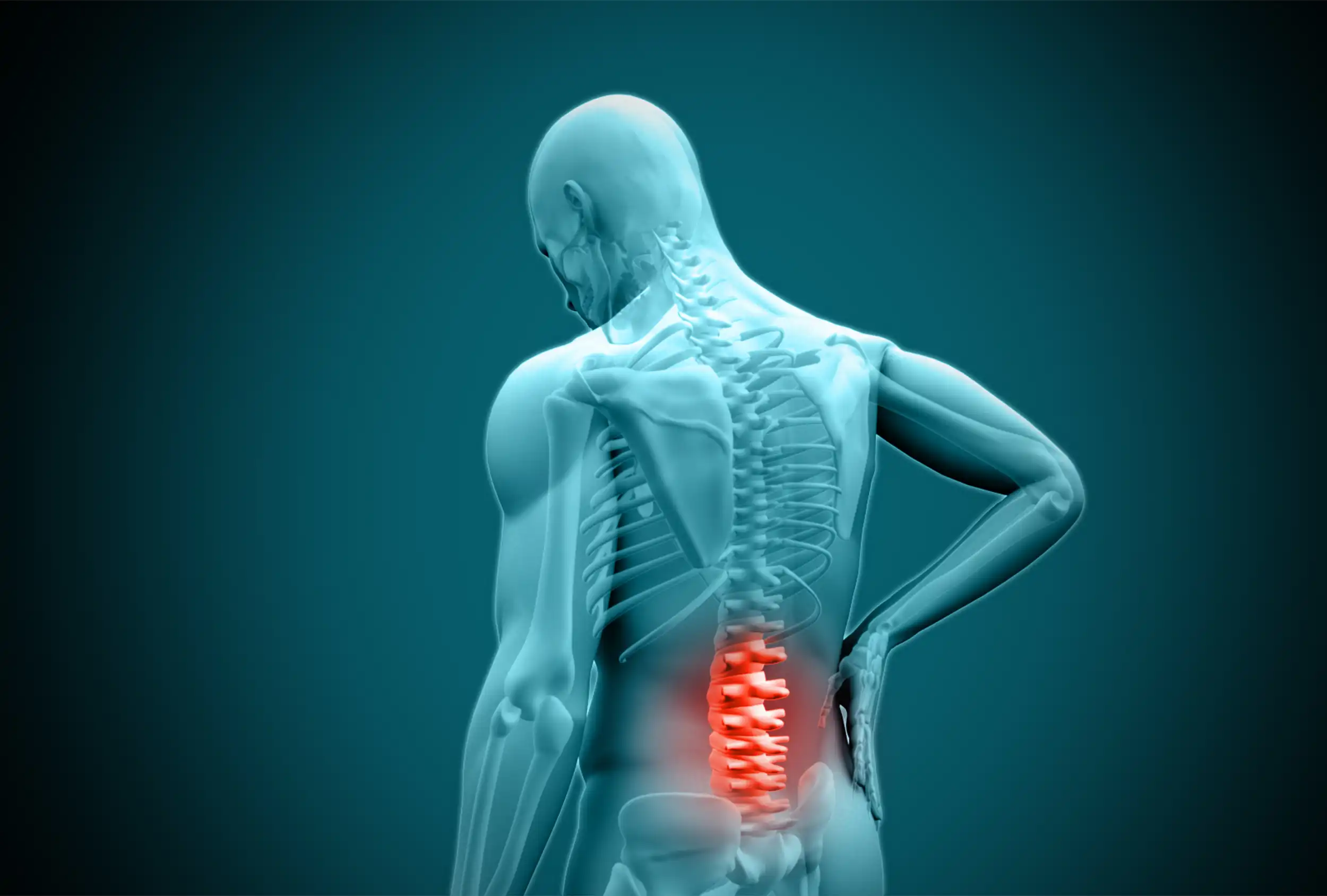
The knee is one of the most commonly affected joints, and knee pain has many possible causes, including:
Knee pain that clicks, locks, swells, gives way, or lingers after activity is worth having checked especially if it's affecting how you move.
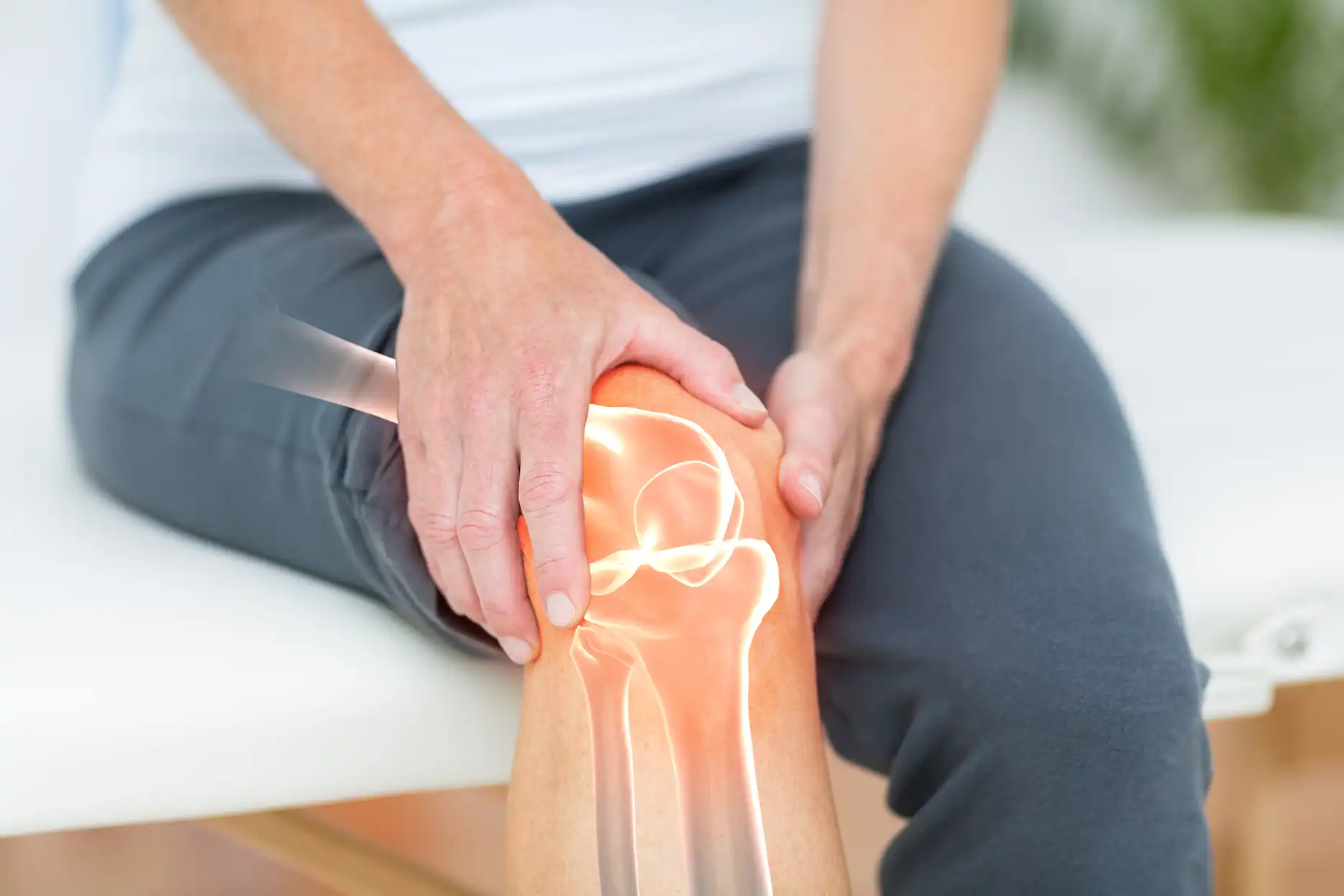
Back pain is extremely common and can range from a mild, short-lived ache to a persistent problem that affects daily life. Common causes include:
While much back pain improves with time and self-care, ongoing or worsening pain deserves professional attention.
Beyond the knees and back, joint problems can affect the hips, shoulders, ankles, hands, and more. Common issues include:
It's easy to put up with joint pain and hope it goes away but some symptoms are a clear signal to get evaluated. Consider seeing an orthopedic specialist if you experience:
The earlier a problem is assessed, the more options there usually are to treat it and the better the chances of a smooth recovery.
Some symptoms should not be ignored. Seek medical care promptly if you have:
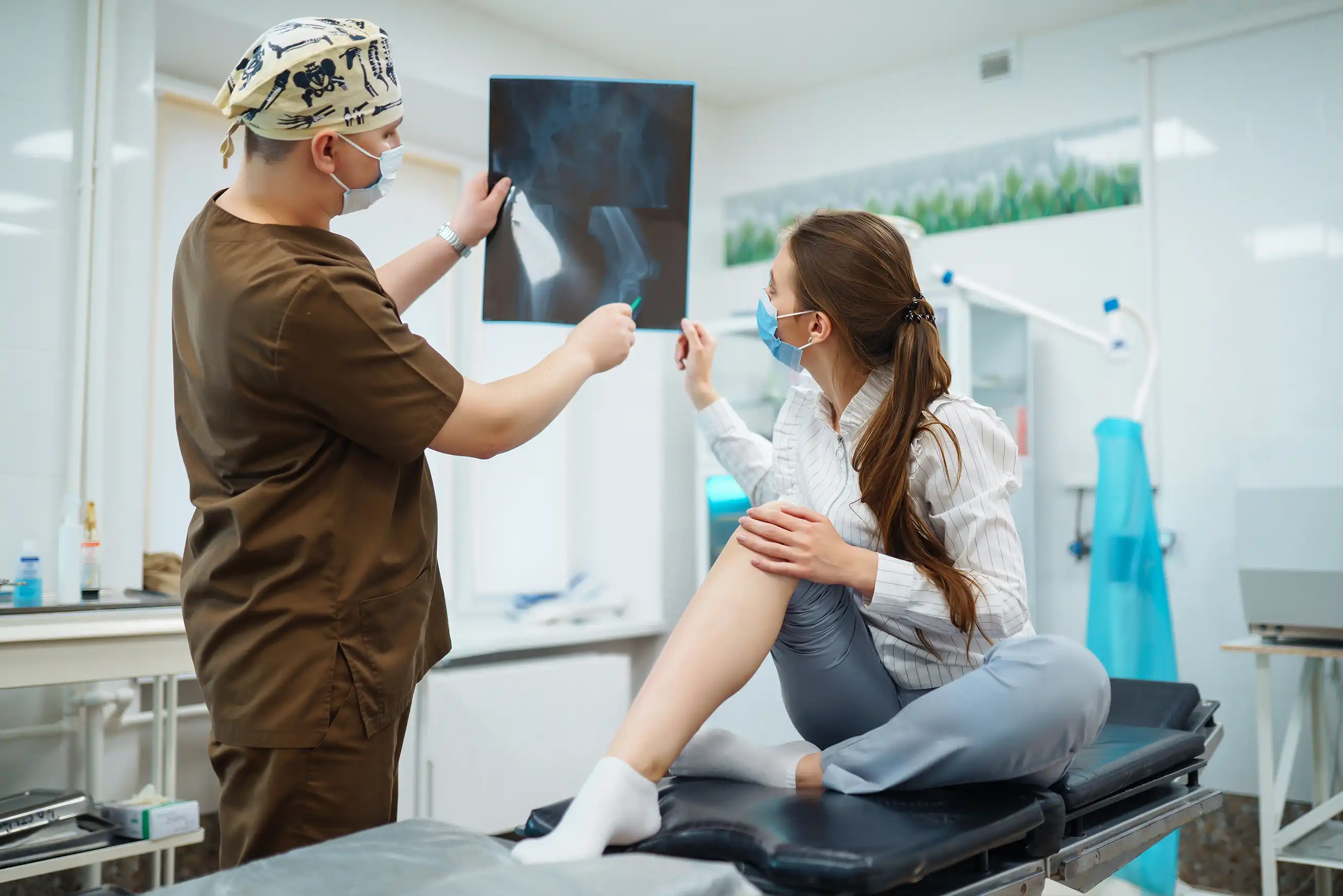
Getting to the right diagnosis is the first step. An orthopedic assessment usually involves discussing your symptoms and history, a physical examination, and where needed imaging such as an X-ray or scan to understand exactly what's happening.
The good news is that many orthopedic problems respond well to non-surgical treatment. Depending on the diagnosis, care may include activity modification, physiotherapy and targeted exercises, and other conservative measures. When further intervention is needed, your specialist will talk you through the options. The goal is always the same: to relieve pain, restore movement, and help you get back to the activities you enjoy.
Looking after your joints can help prevent problems and support recovery. A few habits go a long way:
You don't have to simply live with knee, back, or joint pain. At Fakeeh Medicentres, our orthopedic team helps patients understand the cause of their pain and find effective, personalised treatment with convenient locations across Dubai and access to the wider Fakeeh Health network whenever more advanced care is needed.
If your pain is holding you back, our team is here to help you move freely again.


.jpg)
.jpg)
%2040%2B.jpg)
.jpg)
.jpg)
.jpg)


